Single-Ply Commercial Roofing Solutions
TPO Roofing in Denver, CO
Discuss TPO roofing for your commercial building. Request a Roofing Estimate
Is TPO Roofing Right for Your Denver Property?
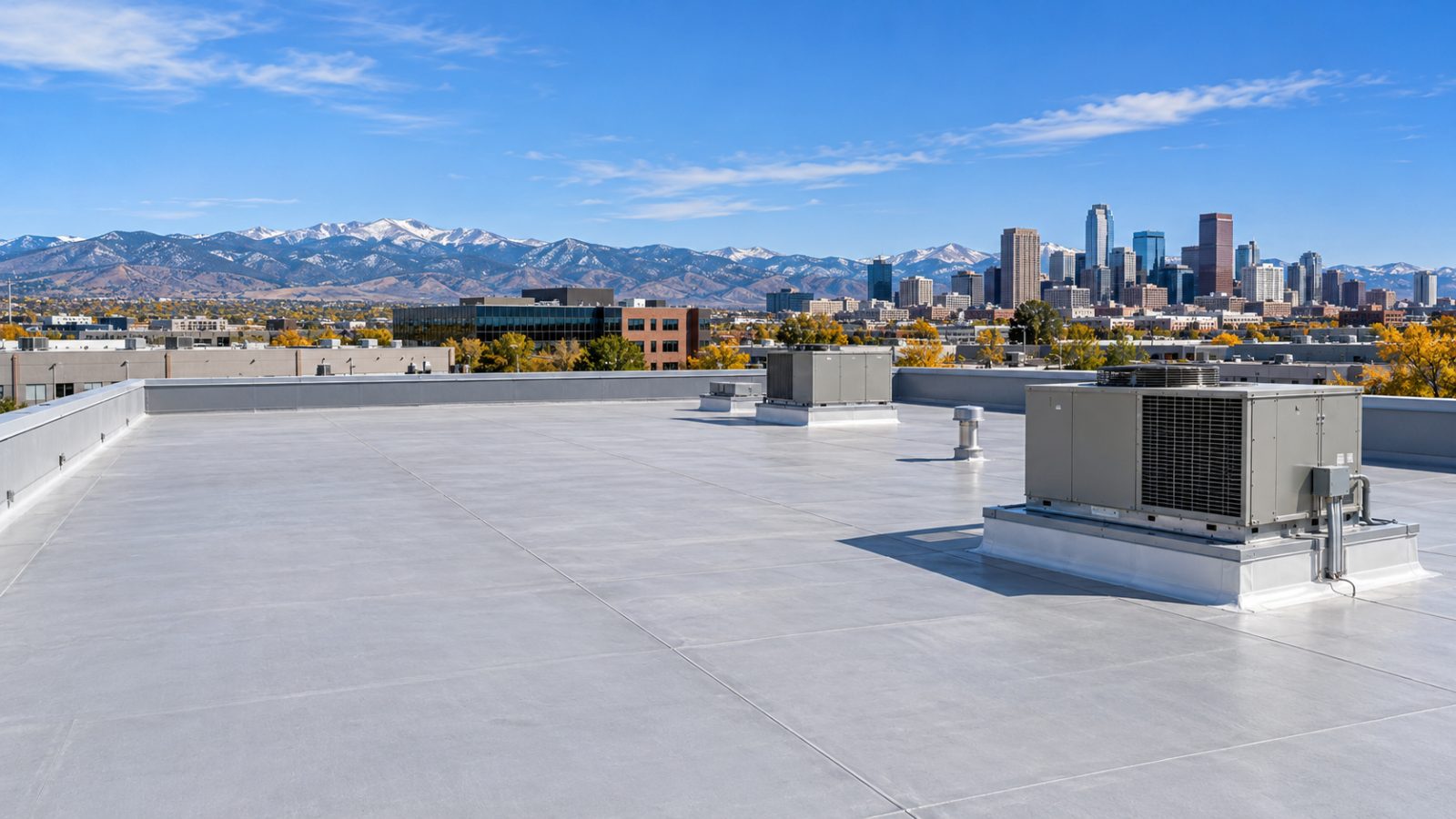
Thermoplastic polyolefin, or TPO, is a single-ply roofing membrane commonly used on commercial flat and low-slope buildings. It combines a flexible waterproof surface with heat-welded seams that connect individual membrane sheets.
Denver Commercial Roofing Pros helps property owners evaluate TPO roofing based on building design, existing roof conditions, drainage, and environmental exposure. A suitable TPO system requires more than selecting a membrane. The entire roofing assembly must work together.
Why TPO Is Used on Commercial Buildings
TPO roofing is available in reflective colors that can reduce solar heat absorption compared with darker roofing surfaces. This characteristic can be useful for buildings exposed to Denver's strong sunlight, although overall energy performance depends on insulation, building design, and operating conditions.
The membrane's heat-welded seams provide another important characteristic. Properly formed welds create continuous connections between membrane sheets and help maintain waterproof protection.
TPO Roofing and Colorado Weather
Denver's climate includes intense ultraviolet exposure, hail, wind, and substantial temperature changes. TPO roofing specifications should account for these conditions through appropriate membrane selection, attachment methods, and assembly design.
No roofing material is immune to severe weather. Choosing a suitable assembly and maintaining it over time remain important regardless of the membrane selected.
Denver Commercial Roofing Pros Is Proud to Serve Denver, CO
Understanding TPO Roofing Systems
TPO roof performance depends on the relationship between the membrane, insulation, attachment system, and waterproofing details.
TPO Membrane Selection
TPO membranes are available in different thicknesses, formulations, and product configurations. Selecting an appropriate membrane requires consideration of rooftop traffic, weather exposure, building use, and assembly requirements. A membrane specification should be evaluated alongside the supporting roofing components. Thickness alone does not determine how well the finished roof will perform under the conditions experienced by a particular commercial building.
Heat-Welded TPO Seams
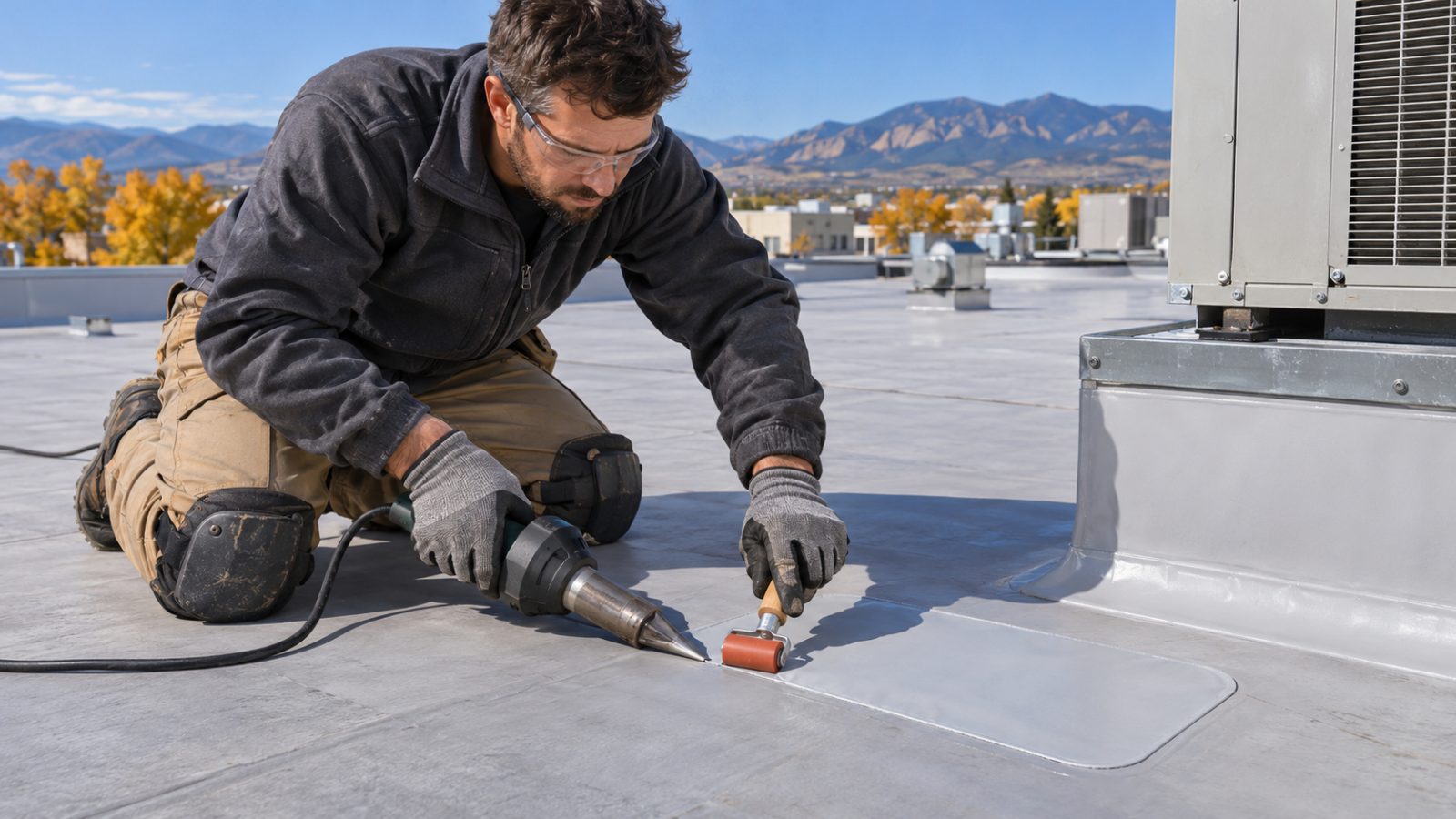
TPO sheets are connected using controlled heat-welding techniques. Proper welding creates a continuous connection that helps prevent water from passing between adjacent sheets. Surface preparation, welding conditions, and installation technique influence seam quality. Connections around corners, penetrations, and transitions require particular attention because their geometry can make waterproof detailing more complex.
TPO Roofing Attachment Methods
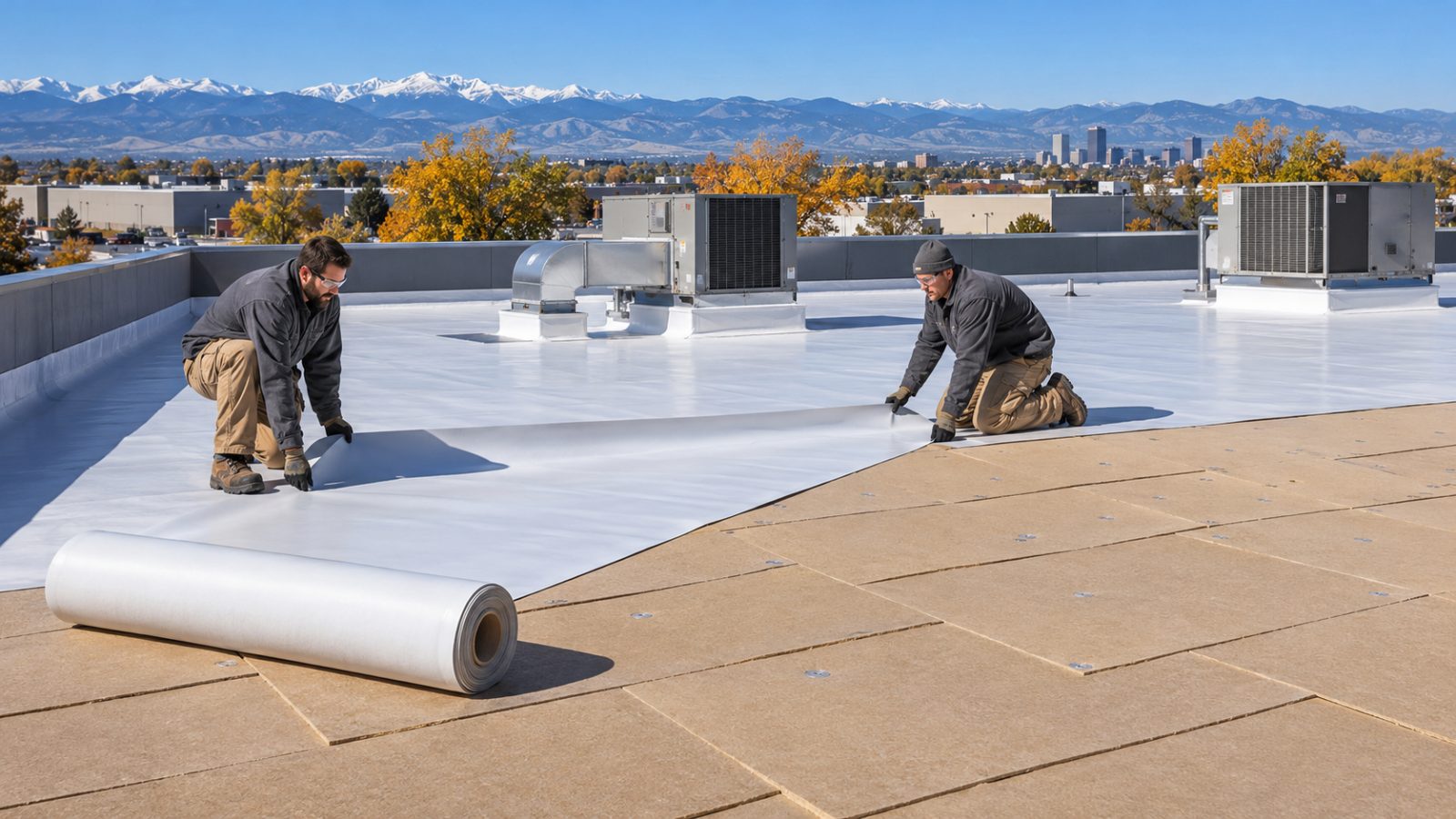
TPO roofing systems may use mechanically attached, adhered, or other approved attachment configurations. The appropriate method depends on the building's roof deck, wind exposure, insulation, and selected roofing assembly. Attachment design is especially important in areas subject to strong winds. Roof edges and corners may experience different forces than the central roof surface, requiring details appropriate to the assembly and applicable requirements.
TPO Insulation and Cover Boards
Insulation and cover boards provide important functions beneath a TPO membrane. Insulation contributes to thermal performance, while suitable cover boards can provide a stable surface and additional protection within the assembly. Component selection should account for compatibility, attachment, moisture conditions, and the intended use of the roof. Buildings with frequent rooftop maintenance activity may have different requirements from roofs with limited access.
TPO Flashing and Roof Penetrations
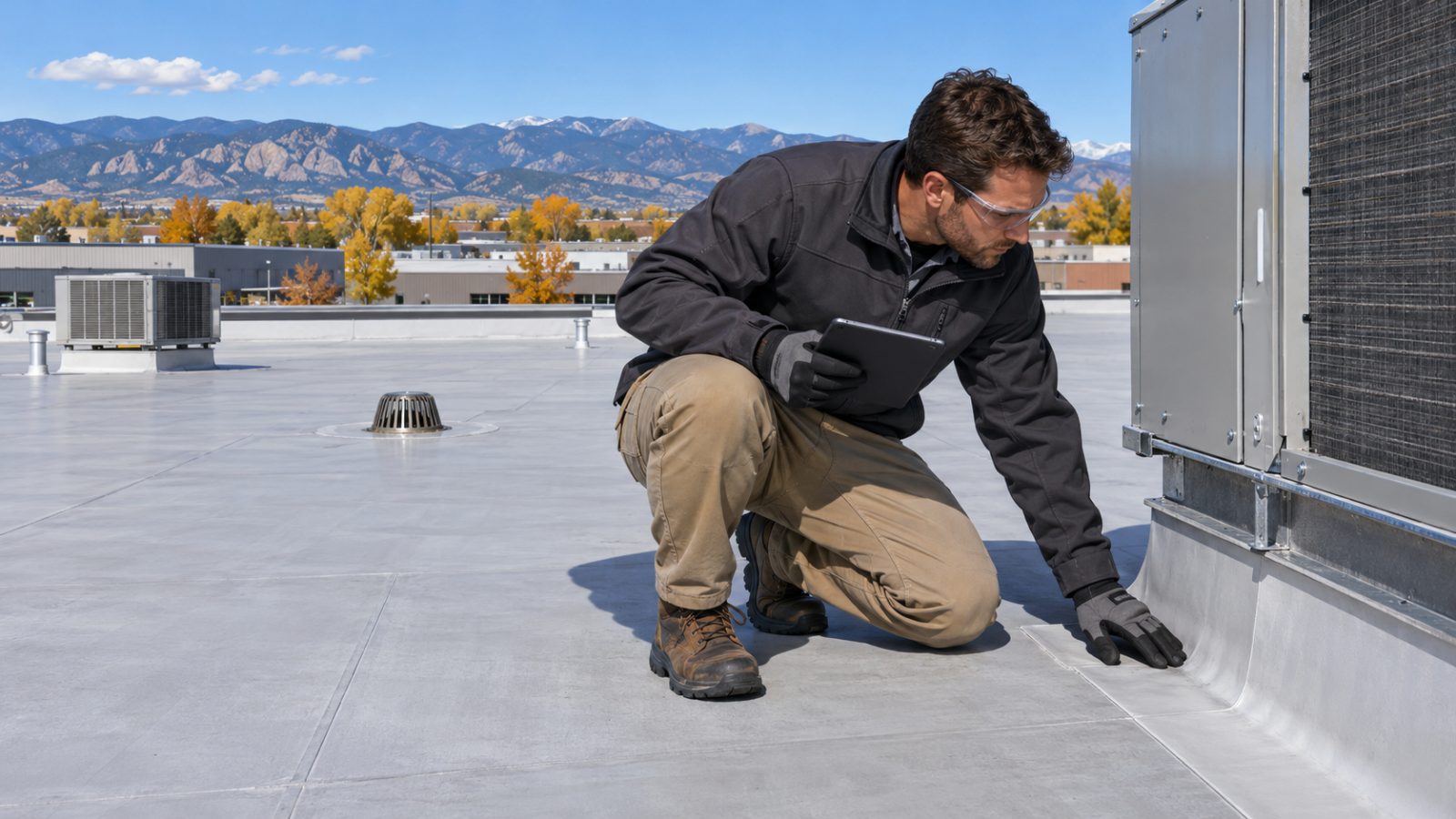
Rooftop equipment, pipes, drains, and parapet walls interrupt the main membrane surface. Each interruption requires compatible flashing that maintains waterproof protection across the transition. Careful detailing around these components helps reduce common sources of commercial roof leaks. Existing equipment configuration and access requirements should be reviewed when planning a new TPO roofing system.
Why Choose Us for TPO Roofing?
Complete Assembly Considerations
We consider the membrane and supporting roofing components together rather than treating them as unrelated products.
Climate-Aware Selection
Local sunlight, wind, hail, and temperature changes influence TPO roofing recommendations.
Waterproofing Details
Seams, penetrations, flashing, and drainage receive attention during roofing system planning.
Clear Material Guidance
We help property owners understand the practical characteristics of TPO and whether it fits their building.
Discuss Your Roofing Project
Find out whether a TPO roofing system makes sense for your Denver commercial property.
Discuss scope and terms before authorizing work.
Planning a TPO Roofing Project
Review the Building
Evaluate the roof configuration, existing roofing materials, drainage, and operational requirements.
Assess Assembly Compatibility
Consider insulation, decking, moisture conditions, and appropriate attachment methods.
Select TPO Specifications
Discuss membrane characteristics and supporting components suited to the building.
Plan Installation Details
Coordinate seams, flashing, equipment penetrations, roof edges, and drainage connections.
Review Maintenance Requirements
Discuss inspection practices and rooftop access considerations that support ongoing performance.